Thank You Notes for Teachers: What to Write
Thank a teacher with one thing they did, the difference it made, and a closing that sounds like you or your child.
On this page
Thank a teacher by naming one thing they did and the difference it made. A student and a parent can describe the same moment differently; choose the voice below that matches the sender.
Tell the teacher what you noticed
A useful thank-you note does not need to praise a teacher in general terms. Name a moment: a patient explanation, a book they suggested, or the day they noticed someone was struggling. Then say what changed for you or your child.
From a student
“Thank you for letting me try again when I got stuck on the science project. I understand more now because you helped me work it out instead of giving me the answer. I will remember that.”
It is fine for a child to write in their own words. A short, slightly imperfect note often says more than a polished message written for them.
From a parent or caregiver
“At the start of the year, Maya was nervous about reading aloud. You gave her time, encouraged her after class, and helped her feel ready to try. We have seen that confidence grow at home. Thank you for the care behind it.”
Only mention the child's experience if the family is comfortable sharing it. For a group card, keep each family's note separate rather than turning everyone's experience into one claim.
At the end of the school year
“Thank you for the steady welcome you gave our class each morning. You made the room a place where questions were safe to ask. I hope you get a restful break.”
An end-of-year card can recognise everyday work without assuming a teacher is leaving the school.
Choose a closing that fits the relationship
A student can sign with their own name and class. A parent can use “With thanks, the Chen family” or simply their name. A group card should not imply that everyone had the same experience: let each person contribute a separate sentence.
A short note from a younger child
“Thank you for helping me read the hard words. I liked choosing a book with you.”
Ask the child what they remember, then help with spelling if they want it. Keep their choice of words rather than replacing it with an adult tribute.
After a particular lesson or project
“Thank you for the extra explanation after class. I was able to finish the next problem on my own, and that felt good.”
Only use this example if it matches what happened. You can thank a teacher for a helpful moment without making a claim about grades, progress or a child's private circumstances.
What to leave out
Avoid comparisons with other teachers, assumptions about a teacher's personal life, or details a child would not want shared. A thank-you card does not need to include a gift, ask for special treatment or speak on behalf of the whole class.
Keep the card simple
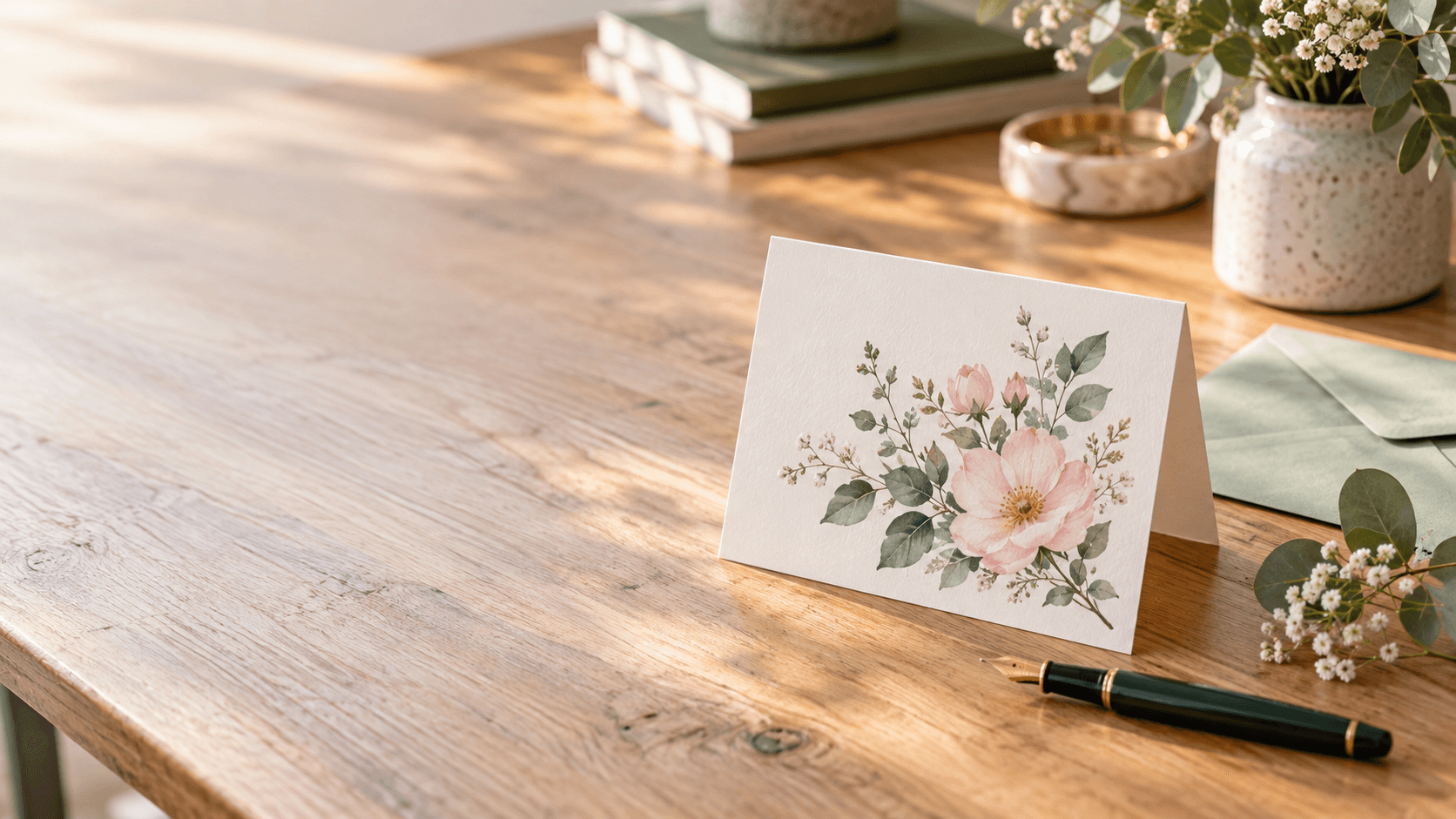
Use the teacher's name, one true detail, and your own sign-off. Avoid a list of generic superlatives or a promise that they “changed a life” unless that is genuinely what you want to say. A thank-you card with space for a handwritten-style message is enough. Edit the template to match the teacher and preview it before sending.
Use the matching teacher template below for the note. The free PNG includes a brand watermark; an online share link requires sign-in. Copy an example and edit it yourself—the article does not fill in the card for you.


Make it personal
Put your words in a card.
Add a photo and the message you just chose. Download your card or share a link when it is ready.
Design · Thank You, Teacher
Personalize this card